The Evolution of Golf Fashion: A Historical Perspective
Overview
Golf fashion has evolved from practical 15th-century attire to modern styles that blend functionality and aesthetics. Key milestones include the introduction of knickerbockers in the 19th century, the rise of the golf polo in the 20th century, and the influence of icons like Arnold Palmer and Tiger Woods. Today, golf apparel emphasizes comfort, technological advances, and inclusivity, while sustainability and streetwear trends shape its future.
Table of Contents
- The Birth of Golf Fashion in the 15th Century
- Practicality Over Style
- The 19th Century: The Birth of Modern Golf Attire
- Knickerbockers and Caps
- The Influence of the British Open
- The Rise of the Golf Polo
- Color and Pattern Playfulness
- The Late 20th Century: Fashion Icons and Signature Looks
- Arnold Palmer and the Classic Look
- The Influence of Tiger Woods
- Technological Advances in Golf Fashion
- Inclusivity and Diversity
- The Future of Golf Fashion: What's Next?
- Sustainability in Golf Fashion
- The Role of Streetwear
- A Stylish Swing into the Future
Key Takeaways
- Historical Evolution: Golf fashion has evolved from practical 15th-century attire to modern styles that prioritize both comfort and aesthetics.
- 19th Century Trends: The introduction of knickerbockers and caps in the late 1800s established a distinct golf look that is still referenced today.
- Rise of the Golf Polo: The golf polo emerged in the 20th century, combining style with functionality, featuring moisture-wicking and UV protection.
- Fashion Icons: Players like Arnold Palmer and Tiger Woods significantly influenced golf fashion, promoting styles that resonate with fans and younger audiences.
- Technological Advances: Modern golf apparel utilizes high-performance materials, enhancing comfort and functionality for today's golfers.
- Sustainability Focus: The future of golf fashion is leaning towards eco-friendly fabrics and ethical manufacturing practices to address climate change concerns.
- Inclusivity in Design: Golf fashion is becoming more inclusive, offering styles for diverse body types and preferences, allowing for personal expression on the course.
Golf has long been a sport of elegance, tradition, and style. The way players dress on the course has evolved significantly over the decades, reflecting broader social changes, fashion trends, and advancements in technology. In this article, we will explore the fascinating journey of golf fashion, from its origins to the modern-day attire that includes innovative materials like the highly sought-after UPF golf polo. As we delve into this historical perspective, each era will reveal unique trends that have defined the game and the golfers who play it.
The Birth of Golf Fashion in the 15th Century
The roots of golf can be traced back to the 15th century in Scotland. The early players donned practical clothing suited for both the weather and the terrain. Men typically wore woolen trousers and long coats, while women dressed in long skirts paired with fitted bodices.
Practicality Over Style
During this era, golf was not about fashion; it was a game played primarily by the upper class, and the attire reflected their lifestyle. The materials were simple yet functional. Wool, for instance, was favored for its warmth and durability. Even though they may not resemble modern golf attire, the clothing of this time laid the foundation for future developments in golf fashion.
The 19th Century: The Birth of Modern Golf Attire
The 19th century witnessed the expansion of golf beyond Scotland. As the game gained popularity across the British Isles and into America, golf fashion began to take on a new identity. This era marked the emergence of iconic golf attire that signified both status and seriousness.
Knickerbockers and Caps
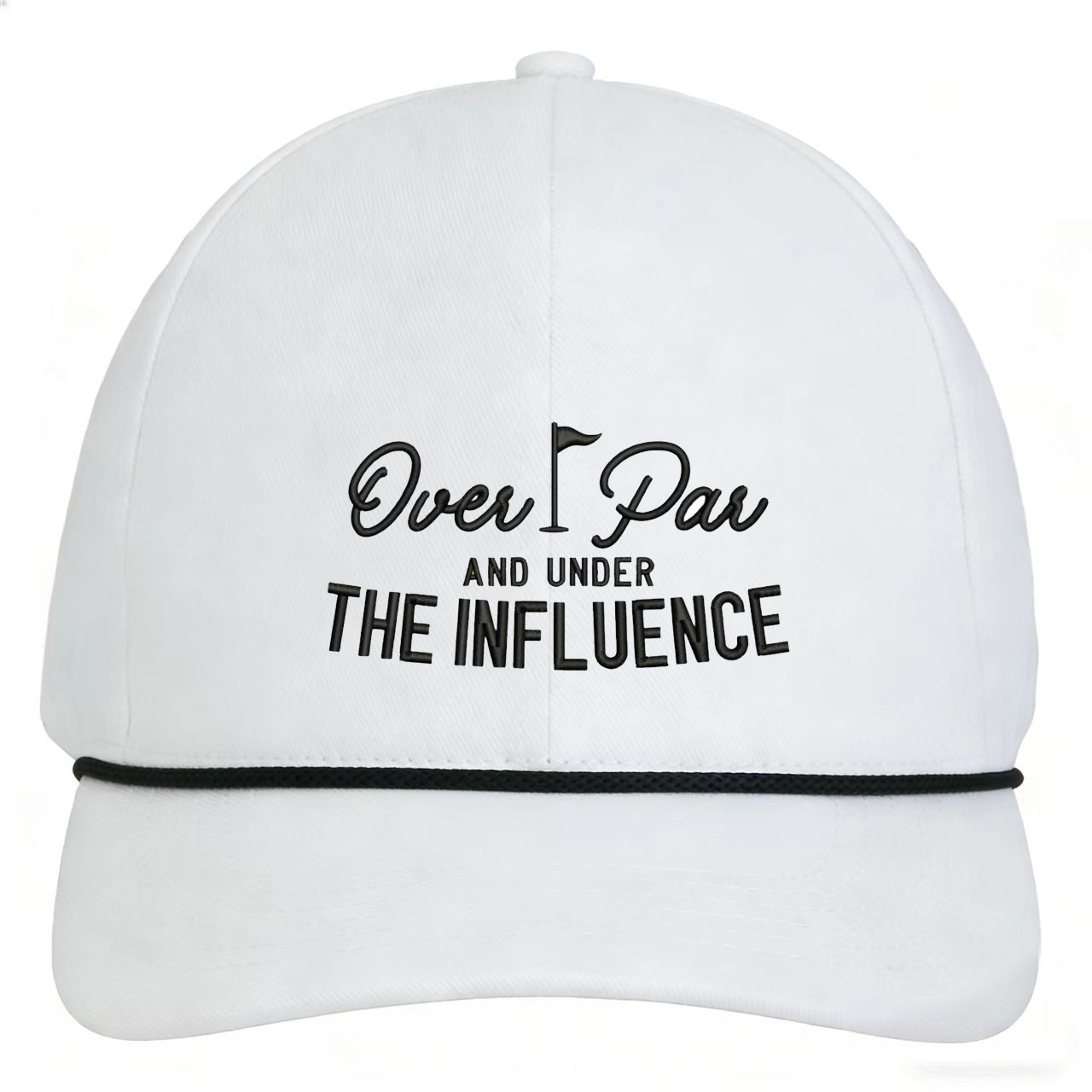
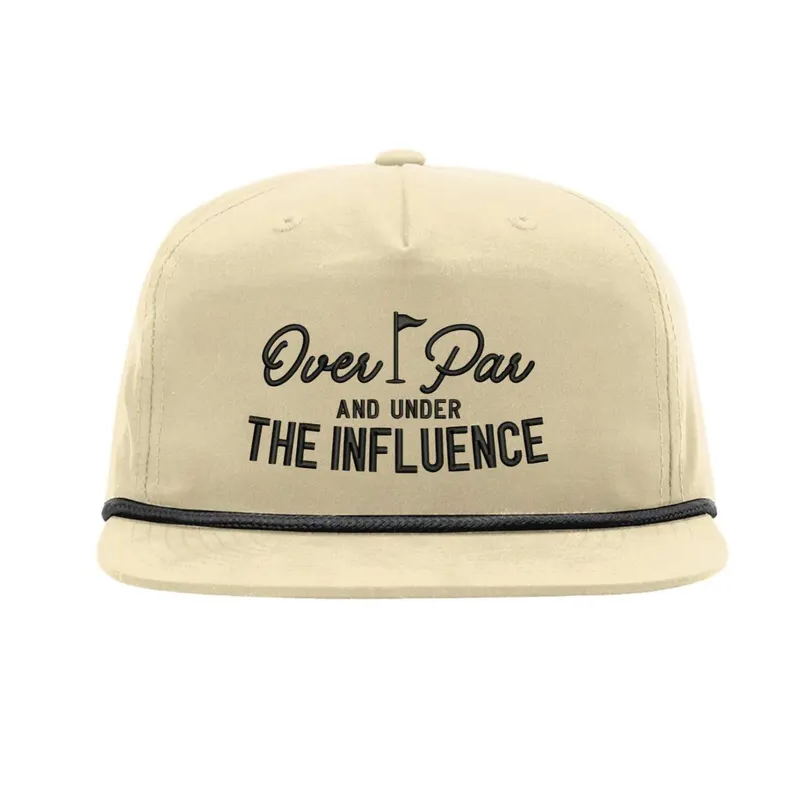
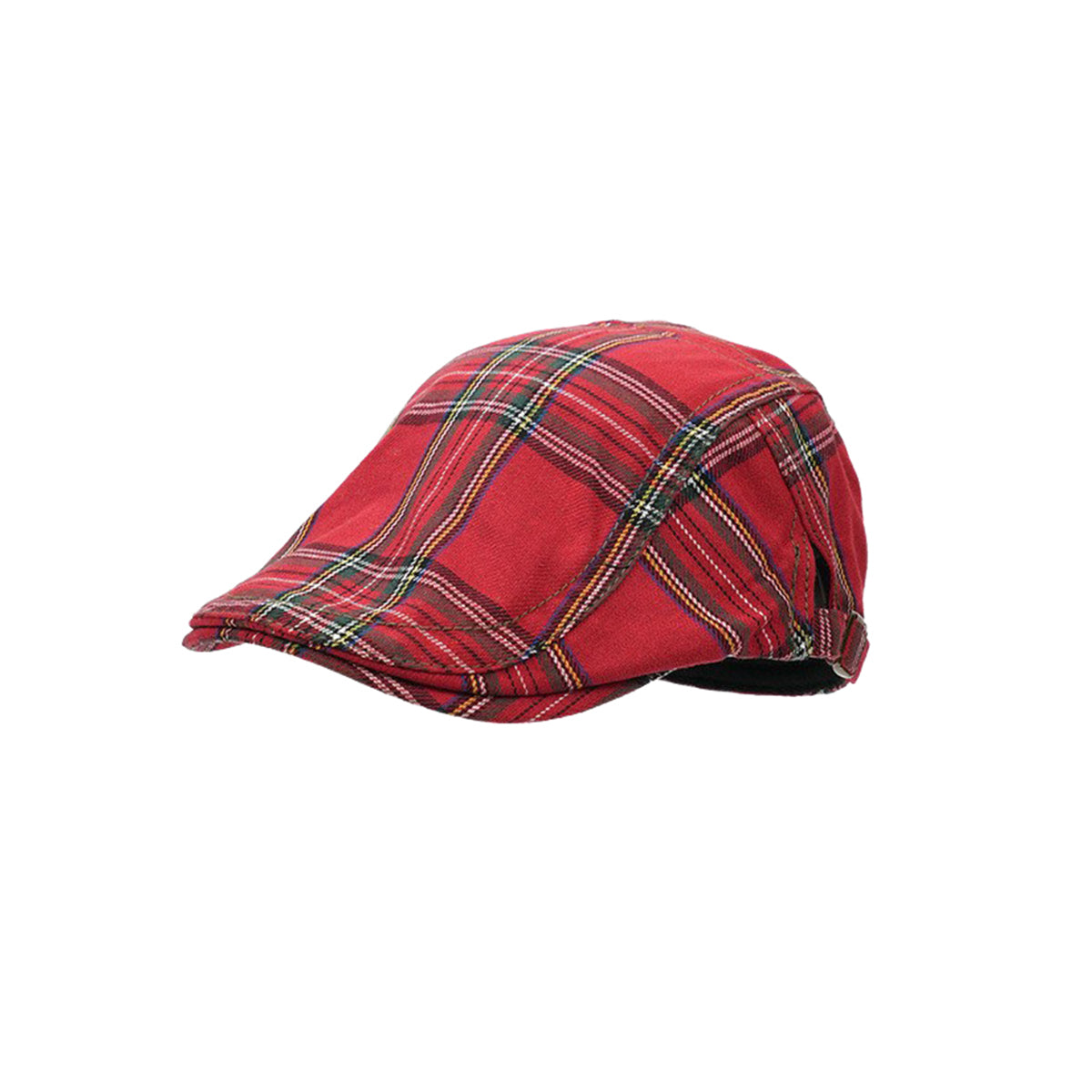
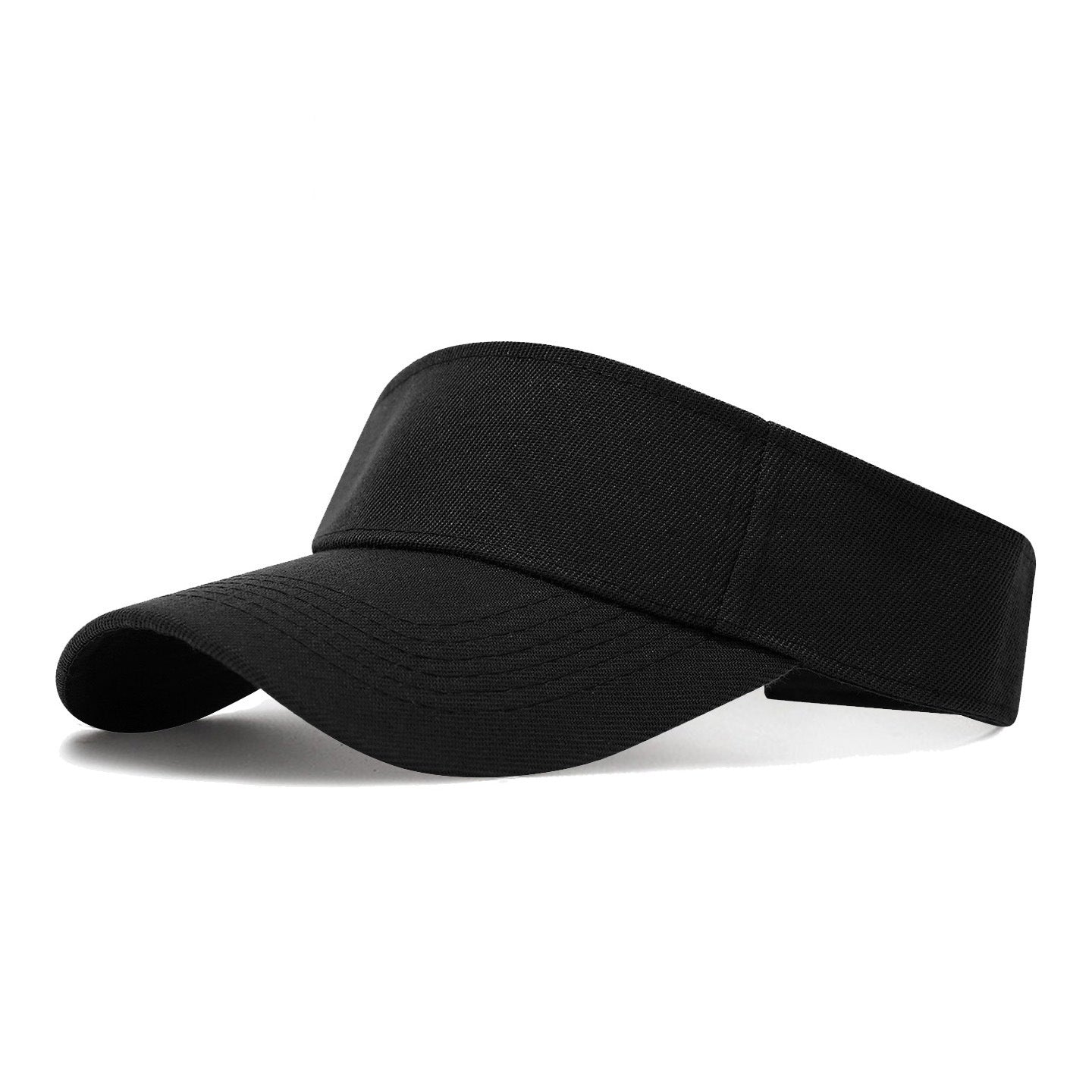
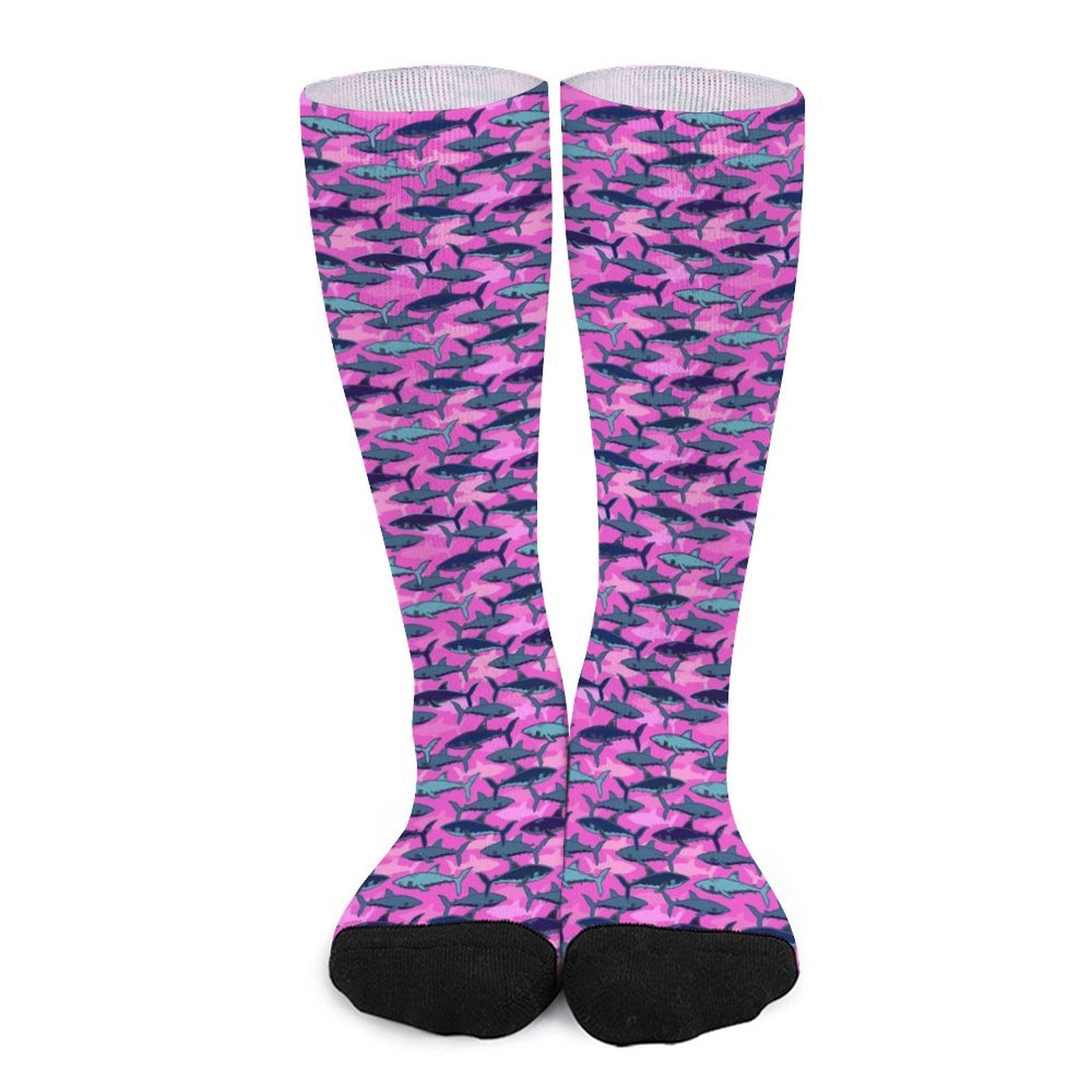
During the late 1800s, players began to wear knickerbockers, which were loose-fitting trousers that ended just below the knee. Typically, they were paired with knee-high socks, creating a distinct look that embodied the spirit of the sport. Players also often wore caps, adding a touch of flair to their outfits. These styles became widely accepted and are still referenced today in traditional golf attire.
The Influence of the British Open
The launch of the British Open in 1860 popularized golf fashion even further. Spectators and players alike paid attention to the attire, and with famous golfers stepping onto the greens, their fashion choices became a topic of discussion. This event helped establish a golf fashion culture that would steadily evolve.
The 20th century was a turning point for golf fashion. As societal norms shifted and lifestyle changes ensued, golfers began to prioritize comfort as well as style in their outfits.
The Rise of the Golf Polo
One of the most significant developments in golf fashion during this time was the introduction of the golf polo. Originally, polo shirts were designed for horseback riding, but they quickly found their way to the golf course. With their soft fabric and breathable construction, golf polos provided the perfect combination of style and functionality.
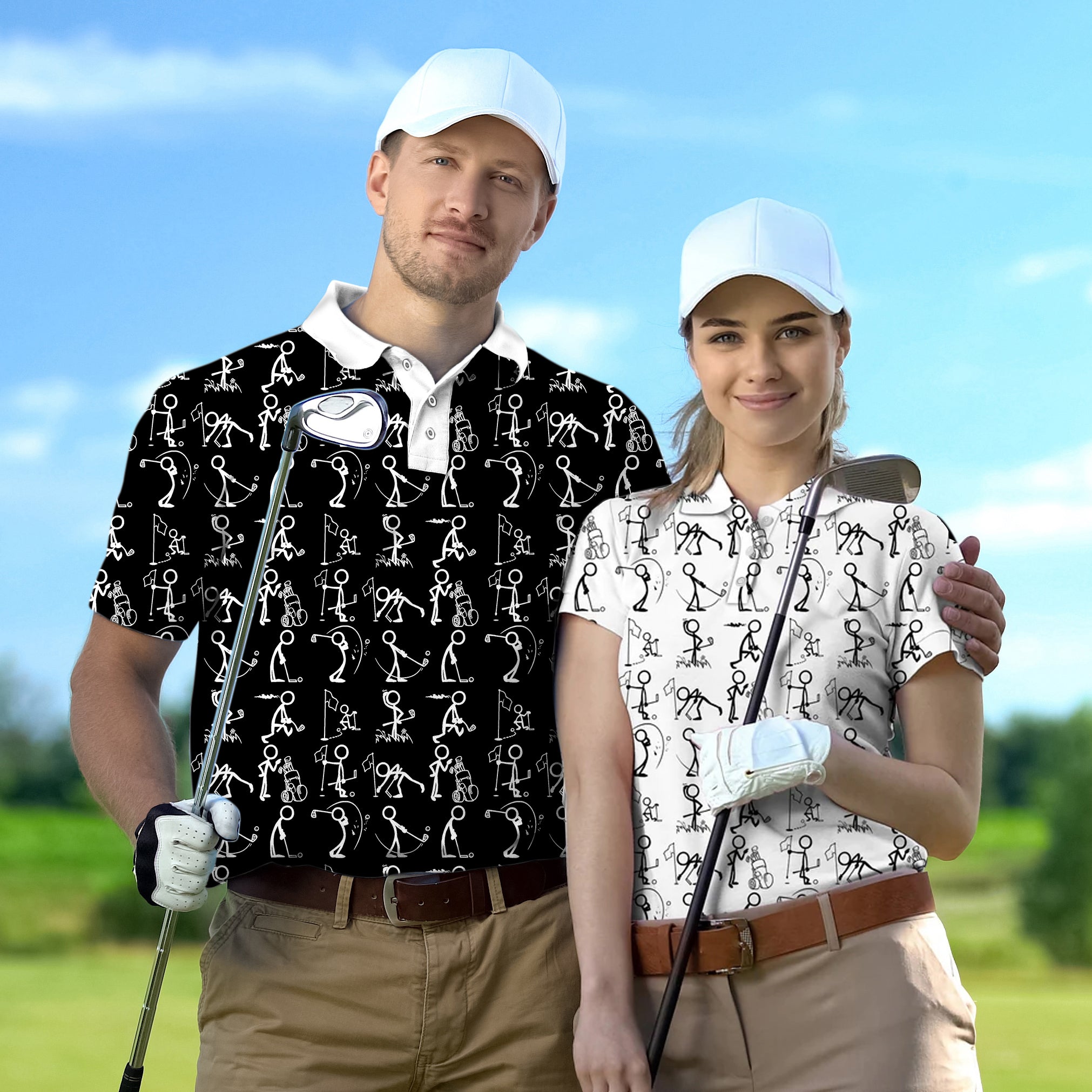
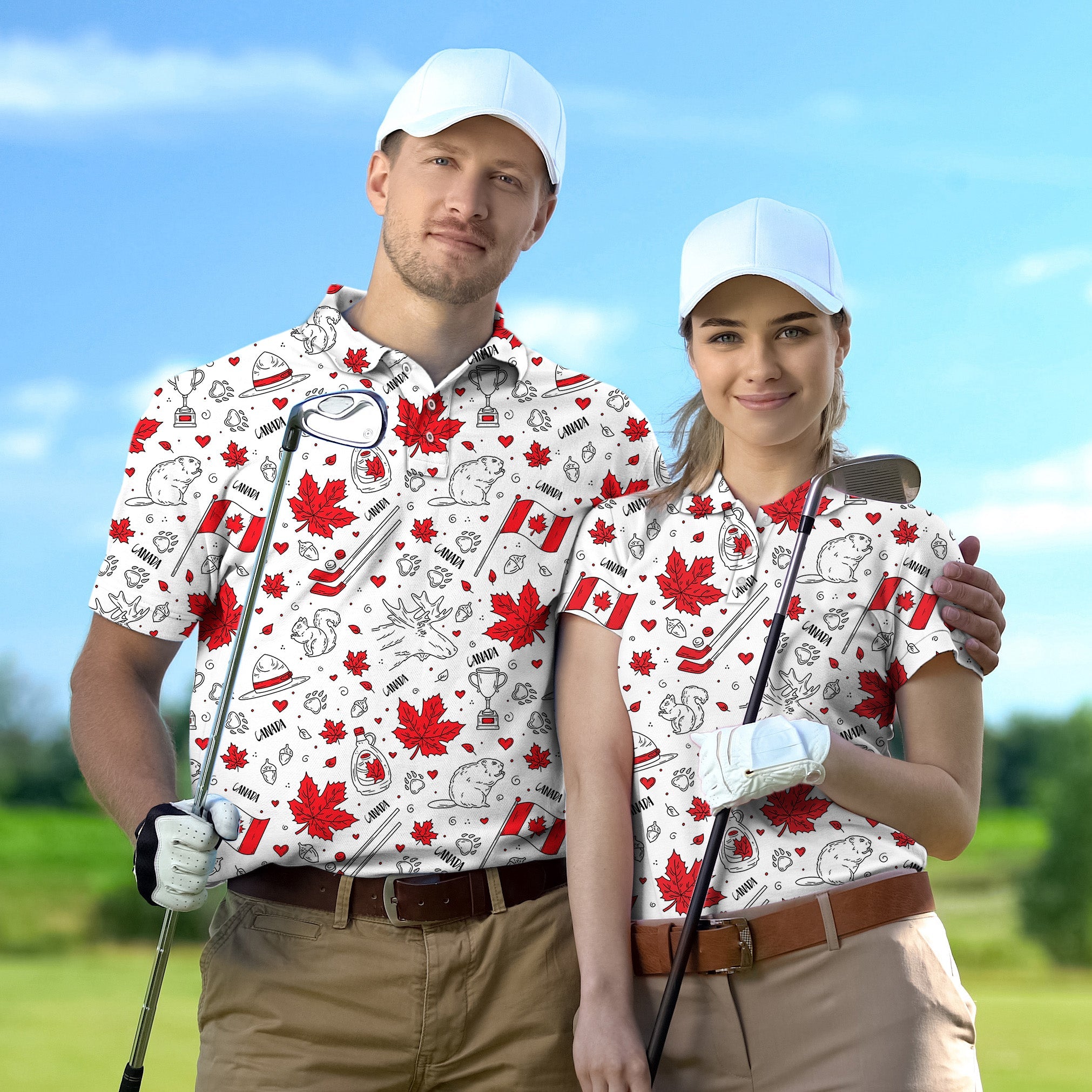
Now, many golf enthusiasts look for features such as moisture-wicking technology and UV protection in their upper garments. The UPF golf polo is a standout example. Designed to shield players from harmful sun rays while keeping them cool and dry, these items reflect the modern golfer's need for protection without sacrificing style.
Color and Pattern Playfulness
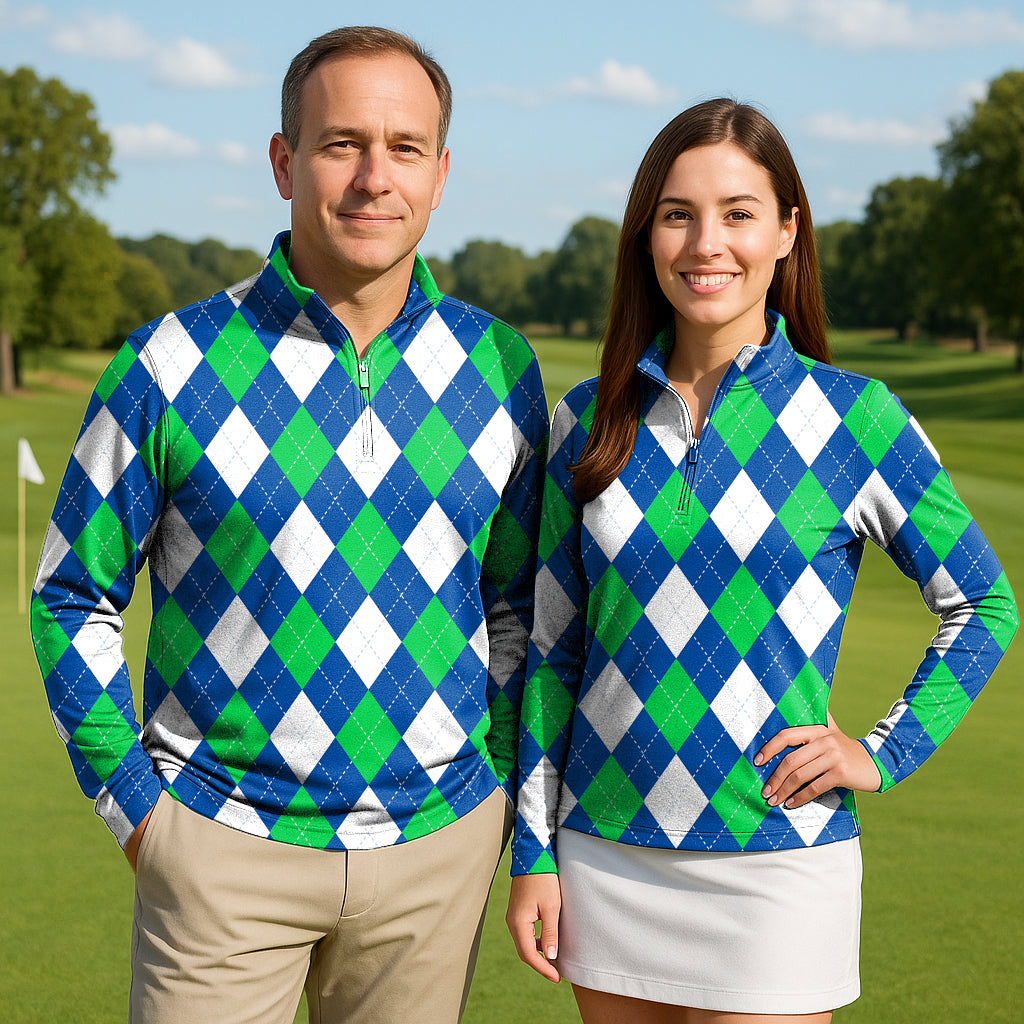
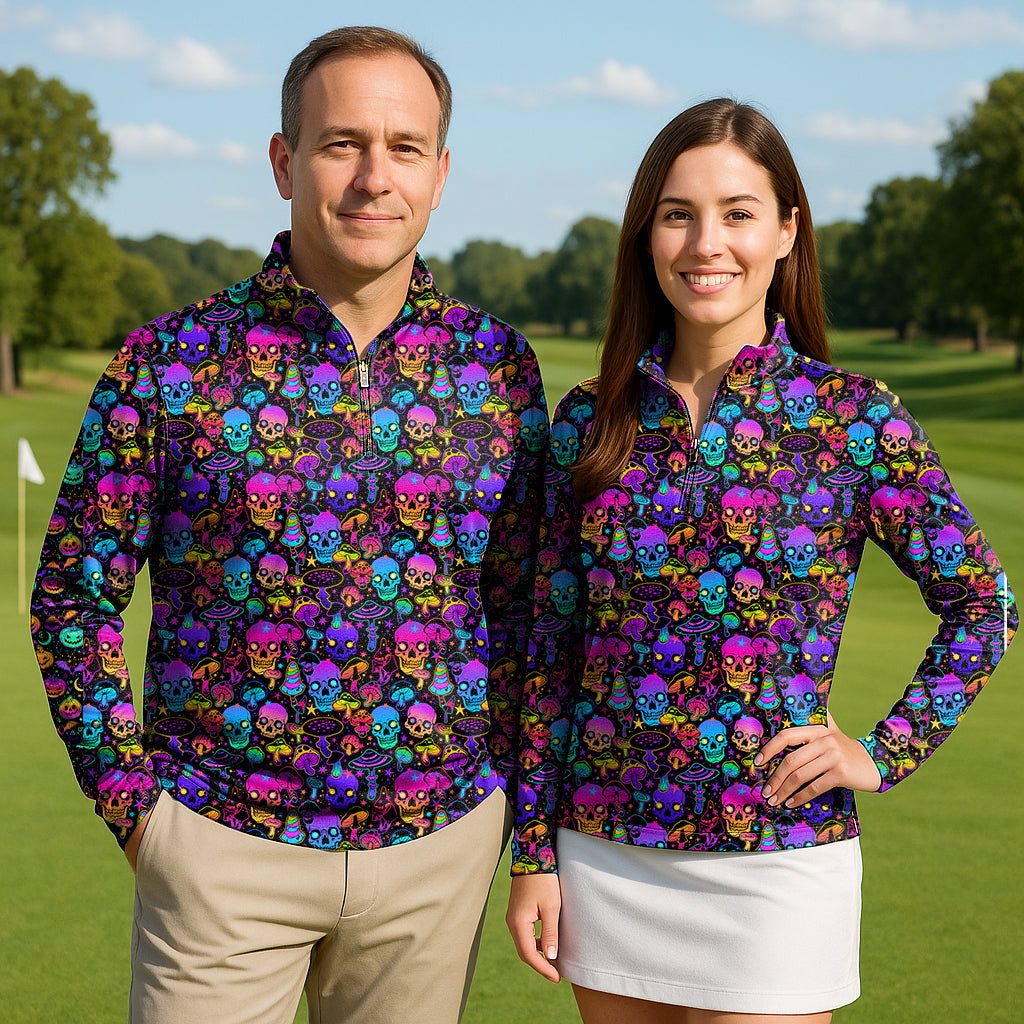
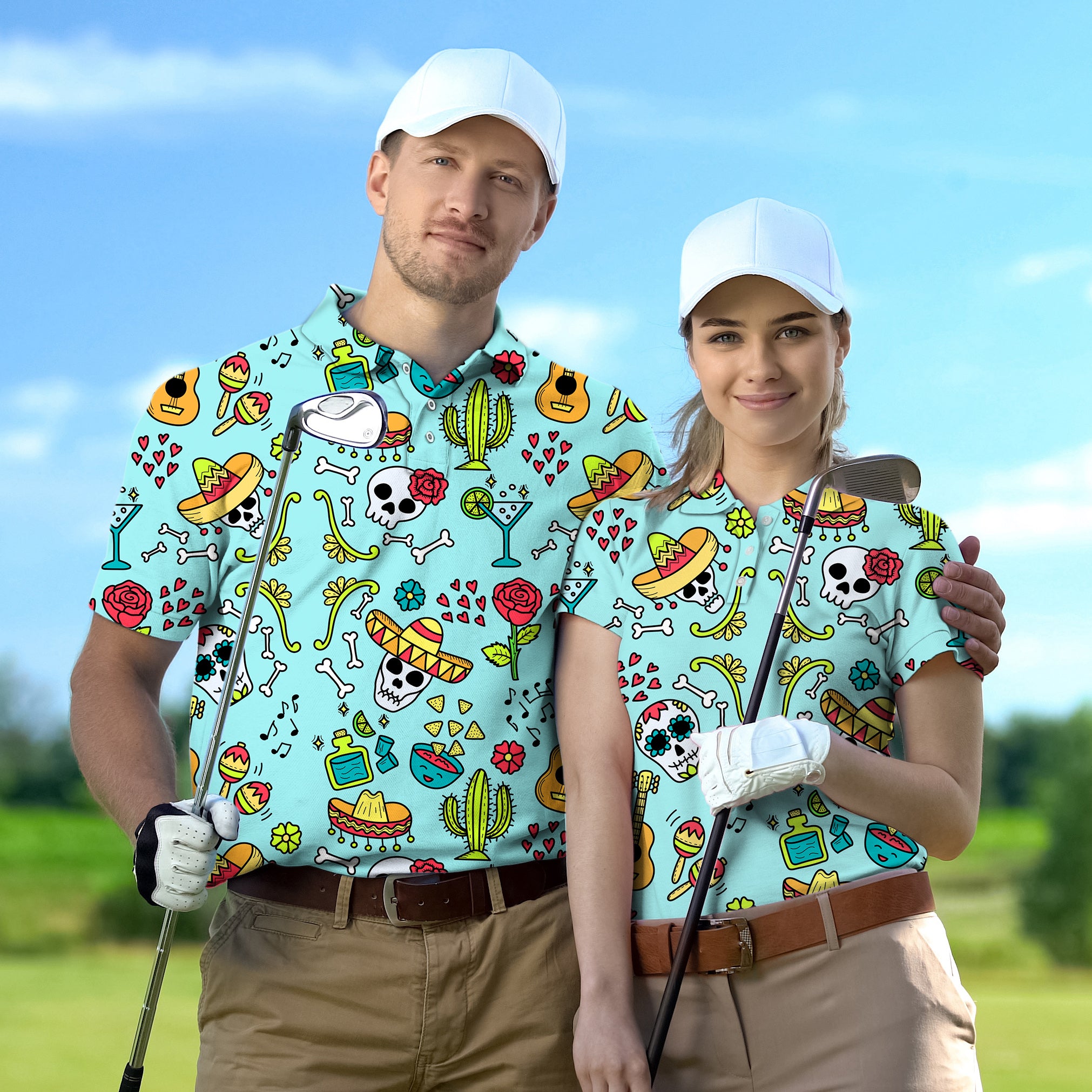
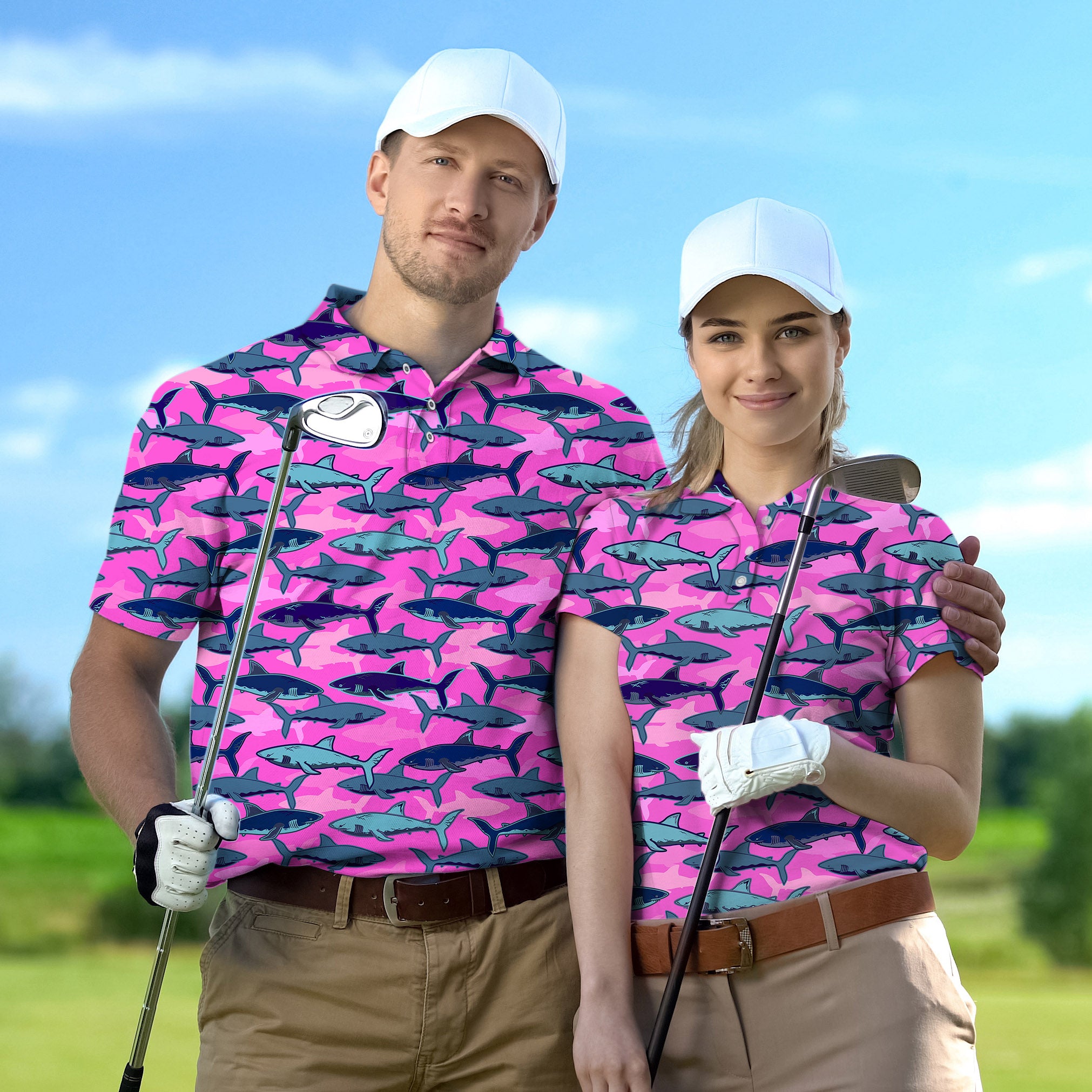
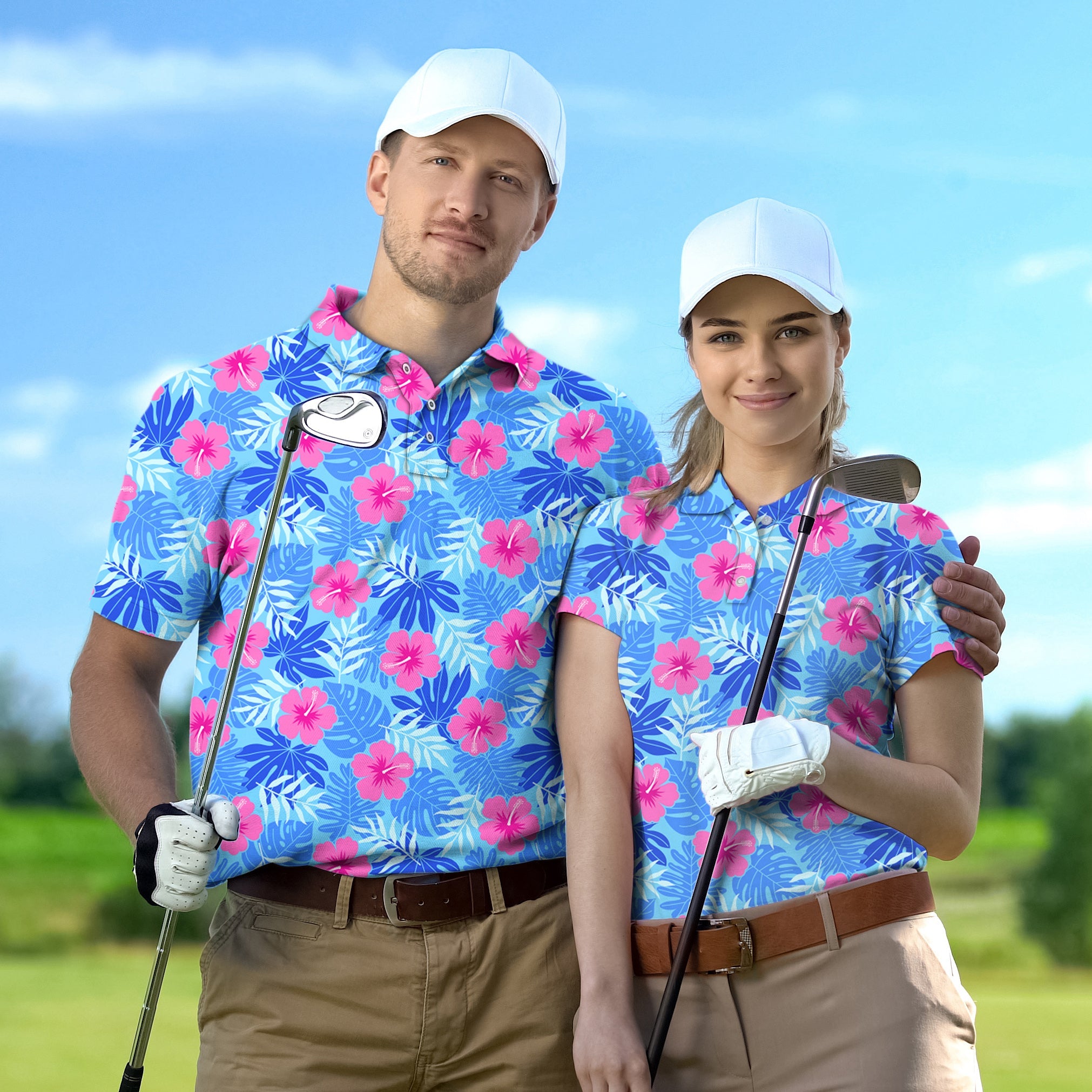
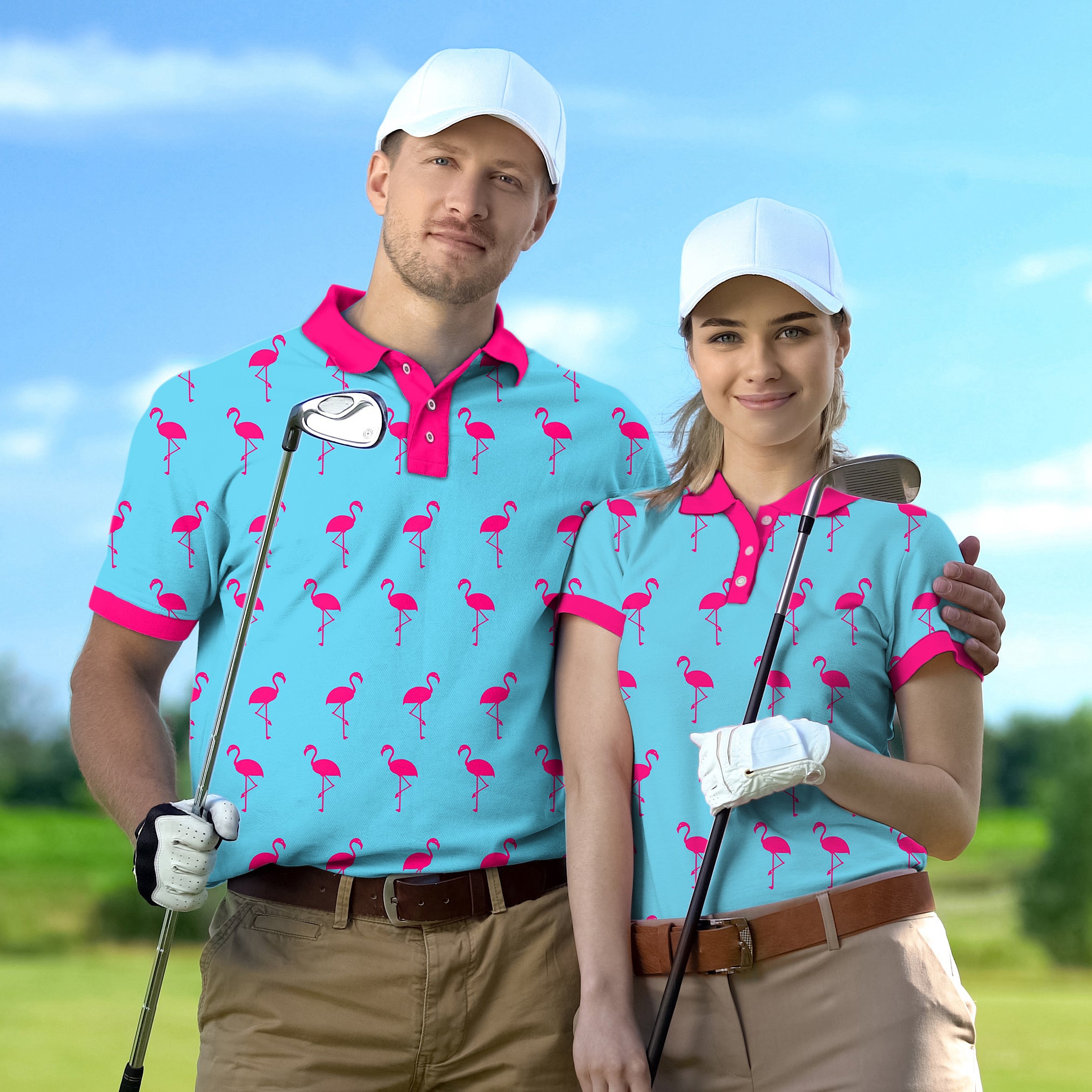
The 1960s and 70s brought an explosion of color and patterns to the golf course. Bright hues and bold designs ruled the greens, allowing golfers to express their personalities through their attire. Plaid trousers, brightly colored shirts, and daring color combinations became commonplace, notably influenced by popular culture and the countercultural movements of the time.
The Late 20th Century: Fashion Icons and Signature Looks
As the sport's popularity continued to rise, several players became style icons, cementing their legacy through fashion as much as their on-course performances.
Arnold Palmer and the Classic Look
Arnold Palmer, known as “The King,” is perhaps one of the most recognizable figures in golf history. His classic style, often characterized by his simple yet elegant sweater vests layered over a polo shirt, set trends for players and amateurs alike. Palmer emphasized a sophisticated yet approachable look that made golf fashion relatable to fans.
The Influence of Tiger Woods
The late 1990s and early 2000s saw the emergence of Tiger Woods, who introduced a more athletic and modern style to the game. His preference for tailored fits and solid colors resonated with a younger audience. With Woods stepping onto the course in fitted UPF golf polos and stylish caps, he redefined the standards of golf attire, blending functionality with a contemporary aesthetic.
As we moved into the 21st century, the convergence of fashion and technology became increasingly pronounced within golf clothing. The modern player demands versatility, performance, and comfort, leading to innovations in fabric technology and design.
Technological Advances in Golf Fashion
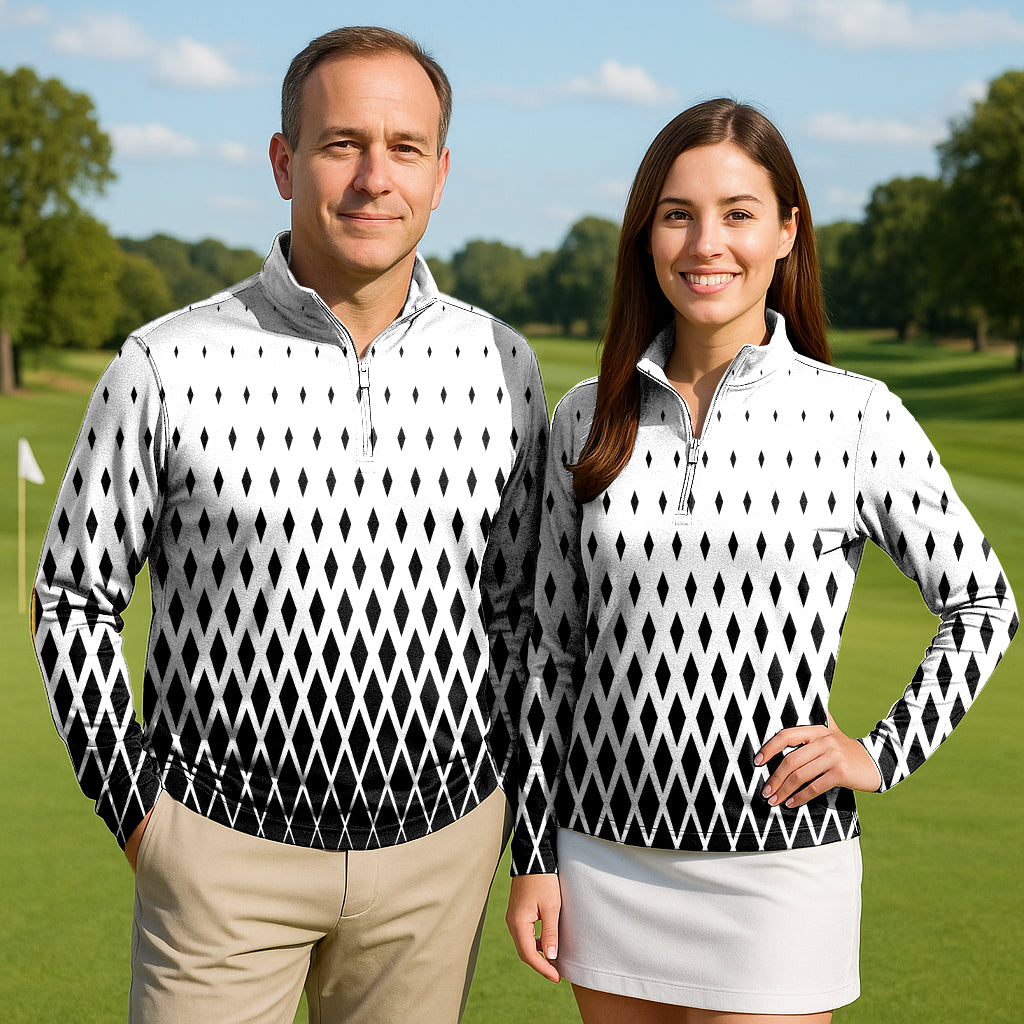
Today’s golf apparel transcends traditional boundaries, utilizing high-performance materials that respond to the dynamic needs of golfers. Moisture-wicking fabrics and added stretch capabilities are commonplace. Manufacturers have also begun to offer UPF protection in their polos, allowing players to enjoy long rounds on sunny days without compromising safety or style.
This technological shift has not only improved player comfort but has also elevated golf fashion into a realm where practicality and style go hand-in-hand.
Inclusivity and Diversity
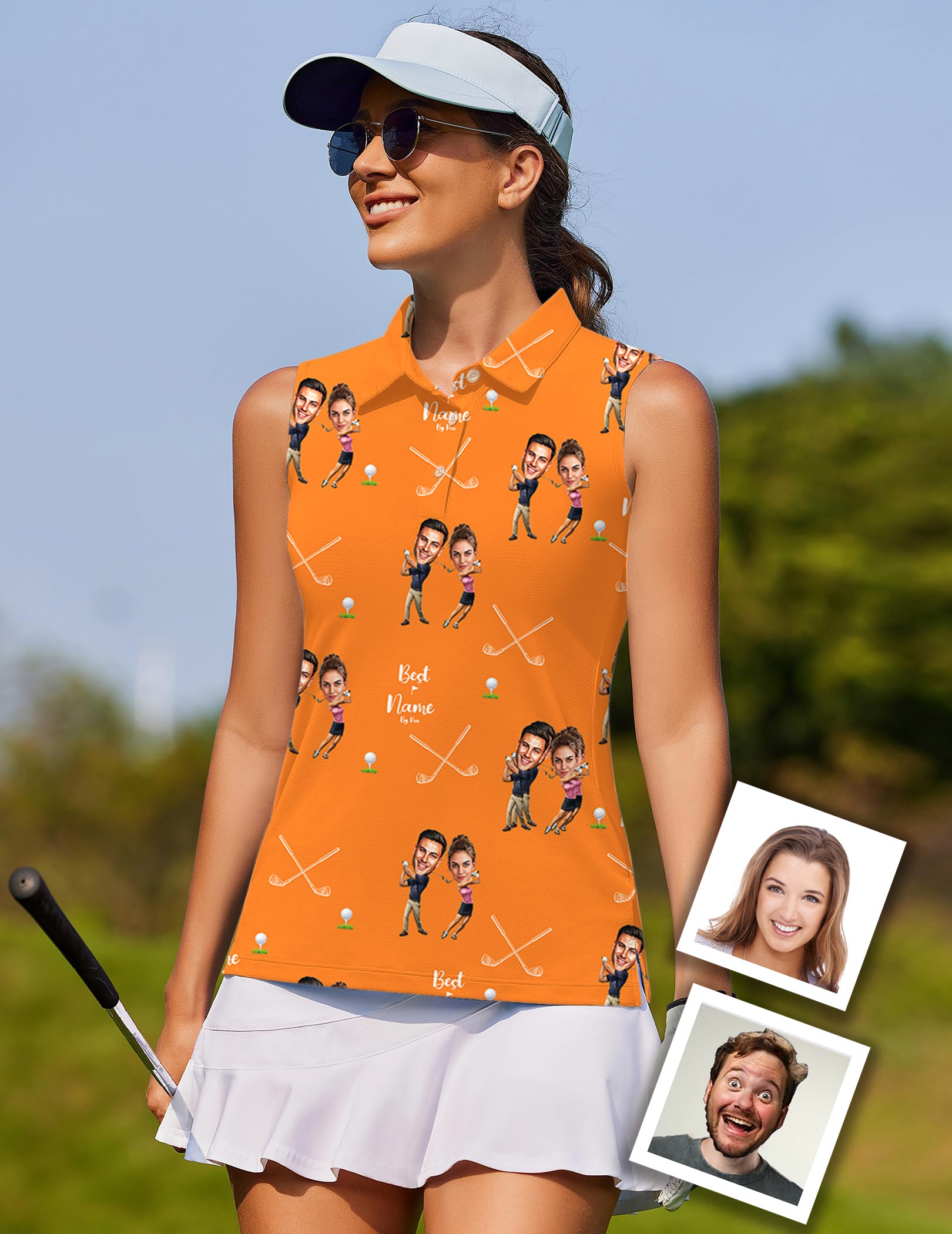
Golf fashion has also become more inclusive. Designers now create styles suited for all shapes, sizes, and preferences, celebrating diversity within the sport. Brands are increasingly introducing options for women and people of diverse backgrounds, breaking away from the traditional norms. Athletes now have the freedom to express their uniqueness through vibrant choices that challenge age-old stereotypes.
The Future of Golf Fashion: What's Next?
As we observe the ongoing evolution of golf fashion, it is clear that the future holds exciting prospects. With continual innovations and shifting cultural landscapes, we are bound to see more groundbreaking changes in golf attire.
Sustainability in Golf Fashion
One major trend is the focus on sustainability. With climate change becoming an ever-pressing concern, many brands are opting for eco-friendly fabrics and ethical manufacturing processes. Consumers are increasingly choosing brands that prioritize sustainability, and the golf sector is no exception. Expect to see a surge in eco-conscious products and lines that embrace environmentally responsible practices.
The Role of Streetwear
Streetwear has already begun to infiltrate the space, blending casual style with golf fashion. Expect combinations of urban aesthetics and sporty designs that cater to a younger audience. More collaborations between golf apparel and streetwear brands are likely to emerge, introducing fresh and dynamic styles to the traditional golf wardrobe.
A Stylish Swing into the Future
The journey of golf fashion is as captivating as the game itself. From the somber woolen outfits of the 15th century to the modern UPF golf polo, golf fashion has continually adapted to the needs and desires of players across generations. Understanding this evolution not only brings respect for the game but also allows golfers to make informed and stylish choices in their apparel today. As we look to the future, we can certainly expect golf fashion to remain an integral part of the experience — one swing at a time.
Frequently Asked Questions
1. What is the historical significance of golf fashion?
2. How did golf attire change in the 19th century?
3. What innovations in golf clothing have emerged in the 21st century?
4. How has inclusivity influenced golf fashion?
5. What trends can we expect in the future of golf fashion?
Glossary
| Term | Meaning |
|---|---|
| Golf Polo | A short-sleeved shirt designed for comfort and style on the golf course. |
| UPF | Ultraviolet Protection Factor; indicates the level of sun protection a fabric provides. |
| Knickerbockers | Loose-fitting trousers that end just below the knee, worn historically in golf. |
| Moisture-Wicking | A fabric technology that pulls moisture away from the skin to keep players dry. |
| Sustainability | Practices that focus on eco-friendly materials and ethical manufacturing in fashion. |
| Streetwear | A casual style combining urban aesthetics with traditional sportswear. |
| Fashion Icons | Influential golfers known for their unique style and contributions to golf fashion. |
| Inclusivity | Designing golf apparel that accommodates diverse body types and preferences. |
| Technological Advances | Innovations in fabric and design that enhance performance and comfort in golf wear. |
| Counterculture | Social movements that influence fashion trends, particularly in the 1960s and 70s. |
Linked Product

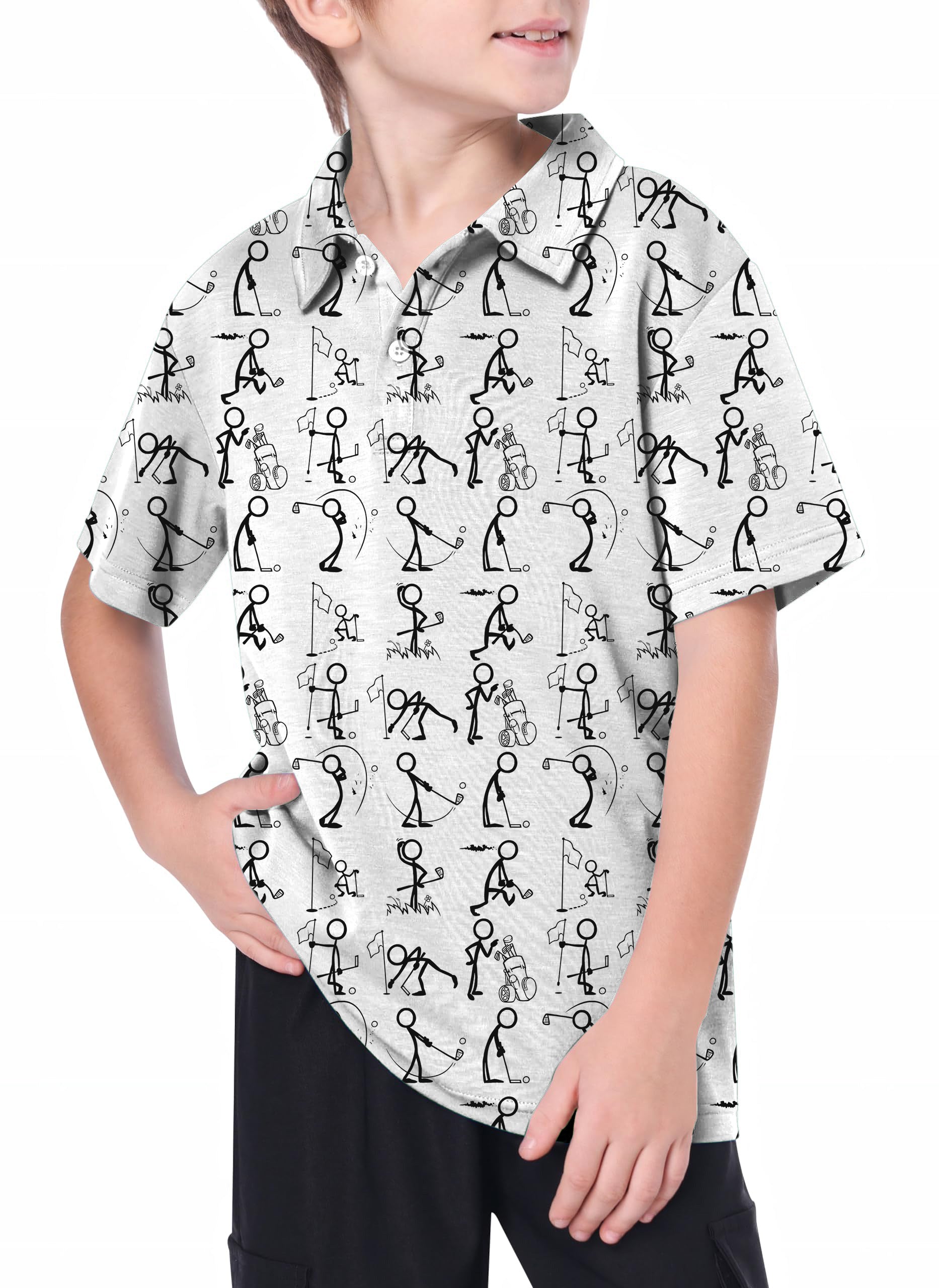
Youth golf club Golf Polo
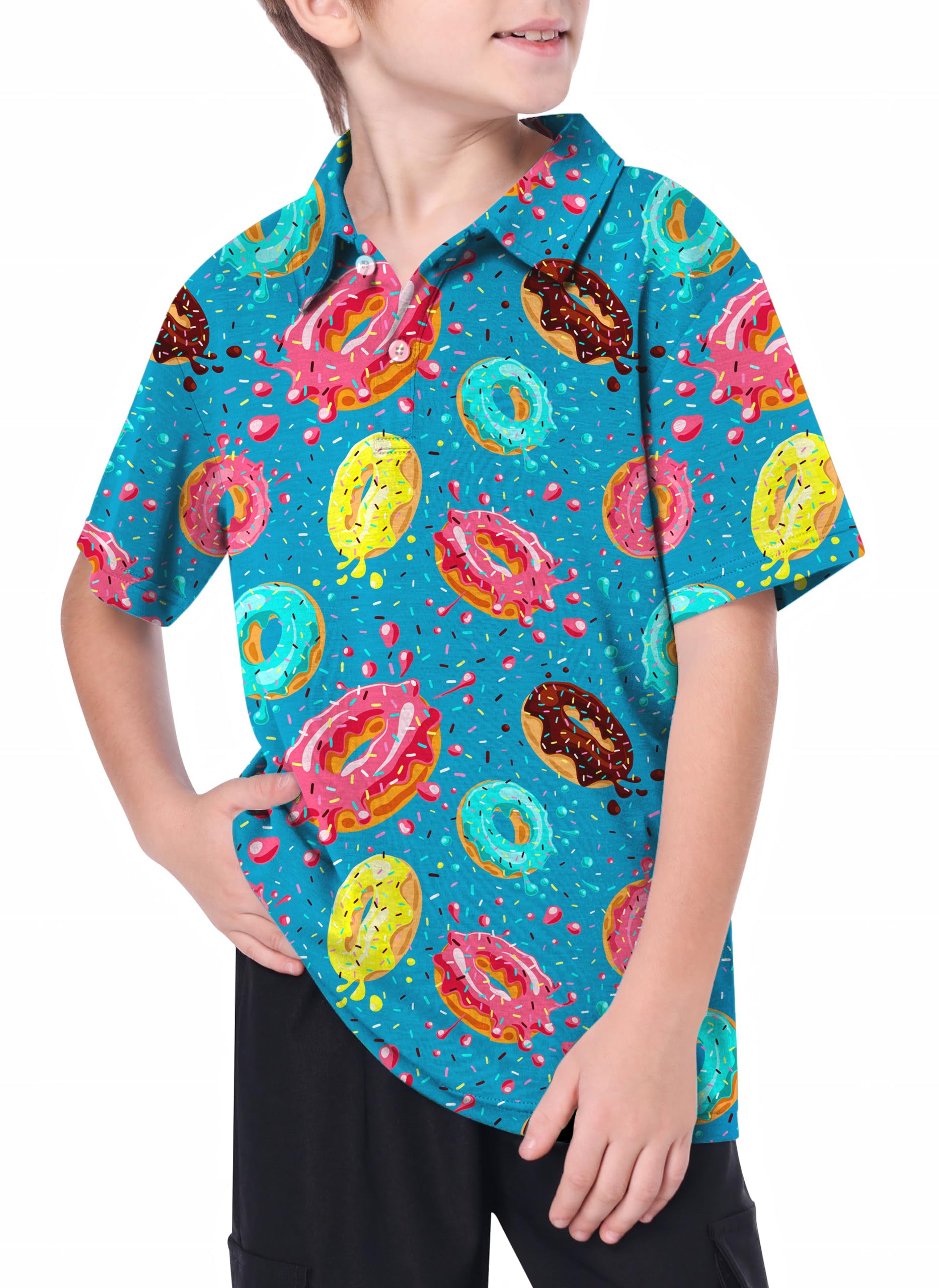
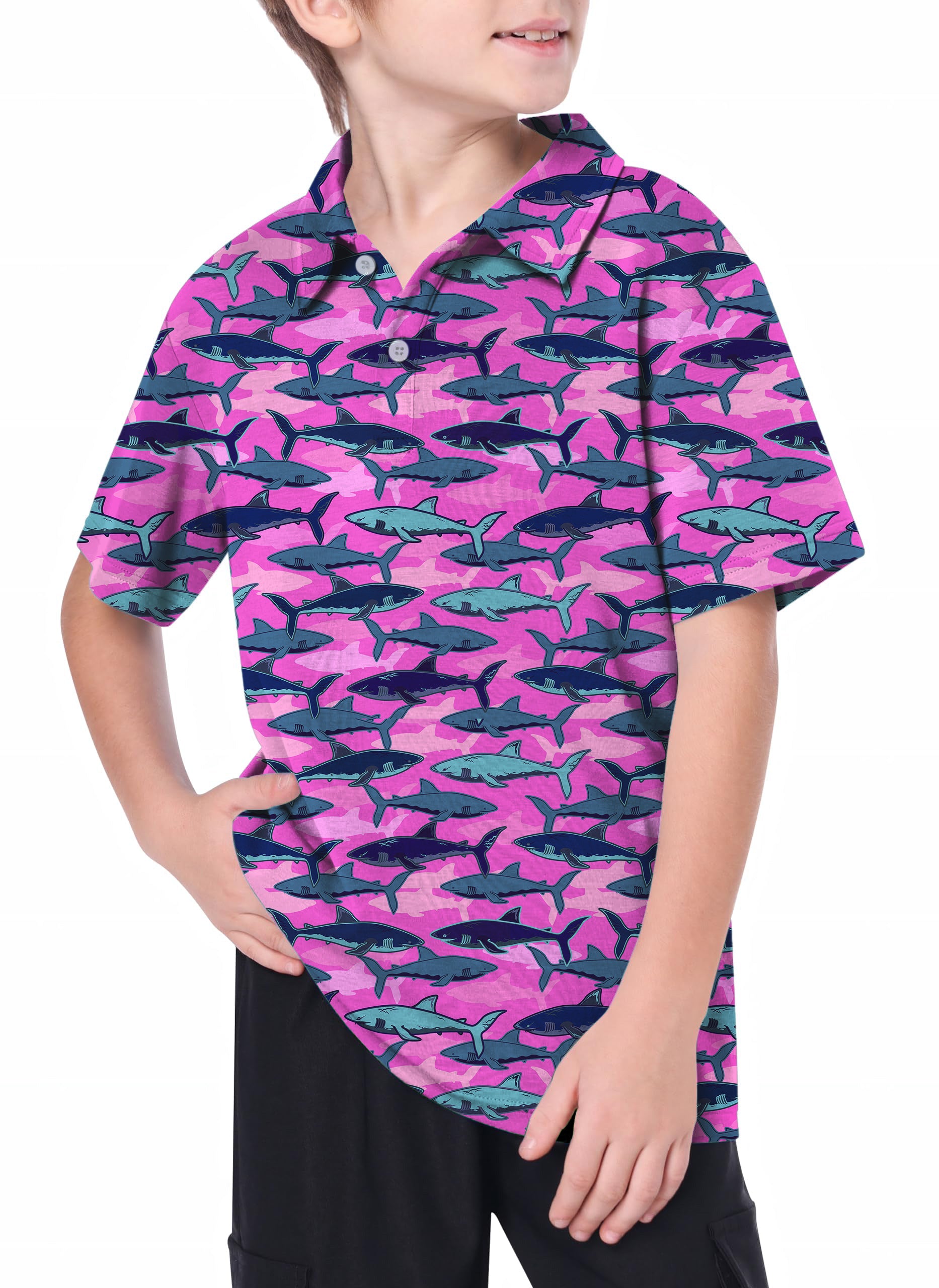
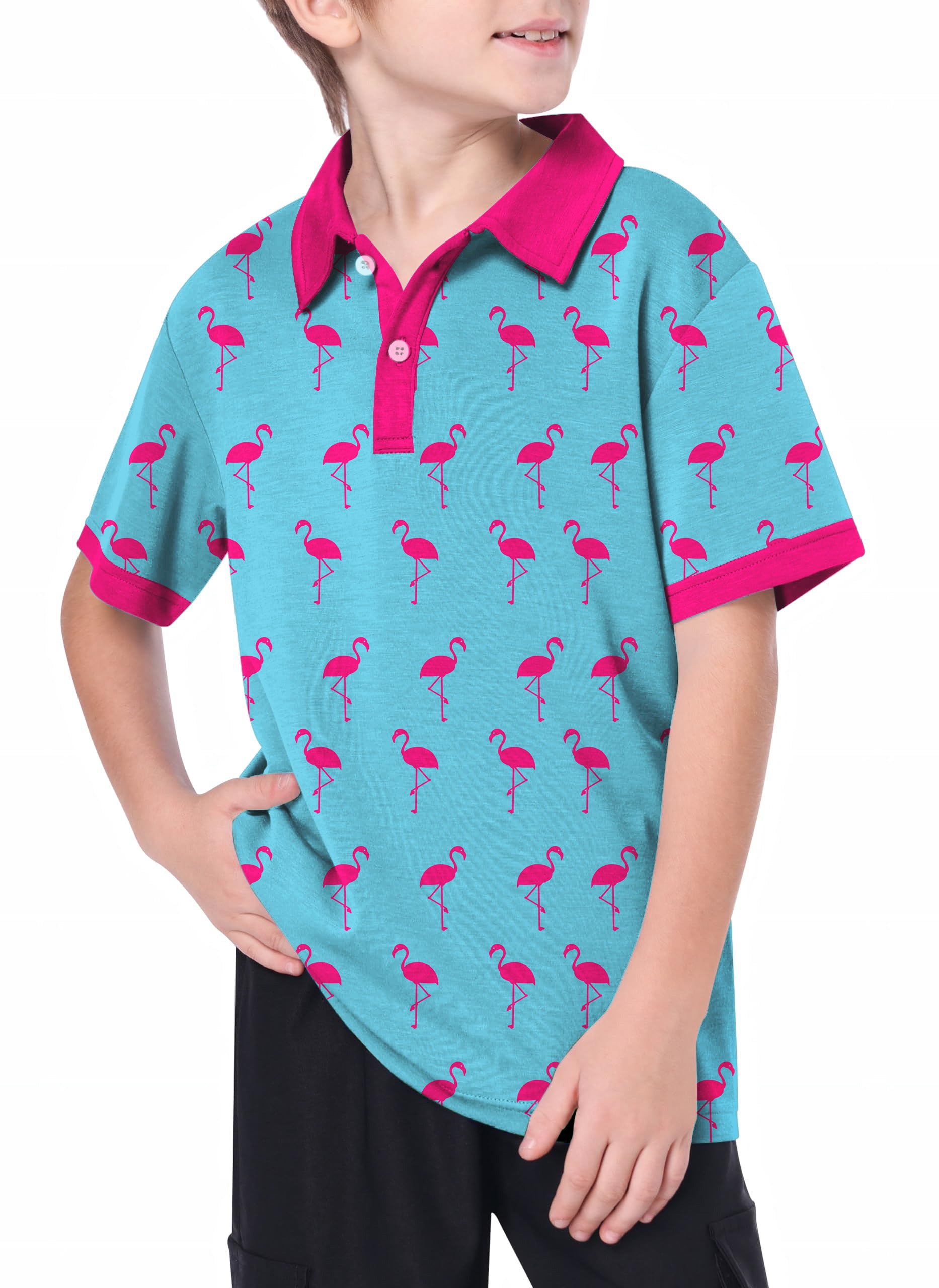
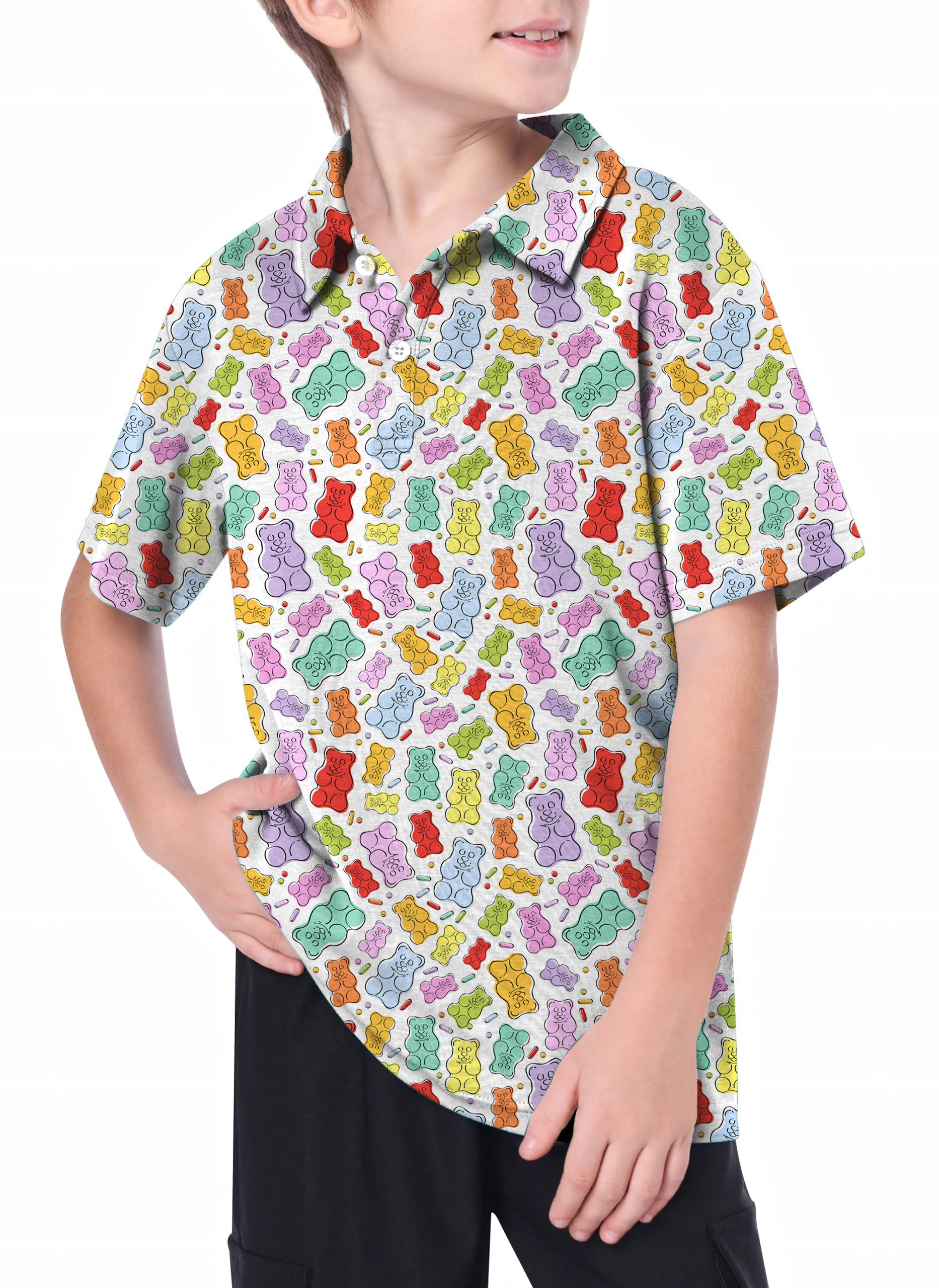
The Youth Golf Polo offers a comfortable fit with 4-way stretch and moisture-wicking properties, making it suitable for both on-course play and casual outings. Its wrinkle-resistant fabric and UPF 40+ protection ensure that young golfers stay fresh and protected from the sun. With anti-odor technology, this polo is designed for active lifestyles while maintaining a polished appearance.
View Product