Sustainable Practices in Golf Clothing Manufacturing
Overview
Sustainability in golf clothing is crucial as the industry faces significant environmental impacts from traditional manufacturing. This blog explores innovative materials like organic cotton and recycled fabrics, eco-friendly manufacturing processes, and ethical labor practices. With growing consumer demand for sustainable options, brands must prioritize transparency and authenticity in their marketing. Golfers can make informed choices by researching brands, investing in quality, and considering second-hand options to build an eco-friendly wardrobe. Embracing these practices ensures the game remains enjoyable for future generations.
Frequently Asked Questions
1. Why is sustainability important in golf clothing?
2. What are some innovative sustainable materials used in golf apparel?
3. How do manufacturing processes contribute to sustainability in golf clothing?
4. What role does consumer demand play in sustainable golf apparel?
5. How can individuals start building a sustainable golf wardrobe?
In today’s world, the importance of sustainability has never been more pronounced. The fabric of our everyday lives is woven from countless threads, and sustainable practices in golf clothing manufacturing play a critical role in ensuring that the game we love also respects the environment. In this blog post, we delve into the practices that are making waves in the industry while highlighting the value of stylish women's golf apparel that balances performance with eco-friendliness.
Why Sustainability Matters in Golf Clothing
The sports apparel industry has a significant environmental footprint. From water consumption during manufacturing to chemical waste and energy usage, the impact is substantial. As consumers become more aware and concerned about environmental issues, they expect brands to adopt sustainable practices. This demand is particularly relevant in golf, a sport closely tied to nature and outdoor spaces.
The Environmental Impact of Traditional Golf Apparel
Traditional golf clothing manufacturing often relies on materials that can harm the planet. For example, the production of synthetic fabrics like polyester and nylon involves oil extraction, a process that contributes to pollution and greenhouse gas emissions. Furthermore, the dyeing processes generally use harmful chemicals, which can seep into water systems, affecting local ecosystems.
Additionally, fast fashion trends contribute to waste. Many golf apparel brands produce items designed for quick sale, but this can lead to unsold inventory ending up in landfills. Understanding these impacts is the first step toward embracing sustainability in producing fashionable golf wear.
Innovative Sustainable Materials
One of the cornerstones of sustainable practices in golf clothing manufacturing is the use of innovative materials. Designers and manufacturers are now utilizing organic, recycled, and alternative materials that reduce environmental impact while maintaining quality and style.
Organic Cotton
Organic cotton is produced without harmful pesticides or fertilizers, promoting biodiversity and soil health. For instance, stylish women's golf apparel made from organic cotton is not only soft and breathable but also supports sustainable farming practices. With an increasing number of brands integrating organic cotton into their collections, golfers can feel good about their fashion choices.
Recycled Materials
Brands that incorporate recycled polyester, made from post-consumer plastic bottles, are turning waste into high-performing golf apparel. This approach reduces the reliance on virgin materials and diminishes landfill waste. Not only does this help the environment, but it also provides durable and versatile fabrics suited for the rigors of the game.
Biodegradable Fabrics
Another exciting development in sustainable fabrics includes biodegradable textiles. These fabrics decompose more efficiently than traditional synthetics, reducing long-term waste. Fabrics that consist of natural fibers or innovative composites offer golfers a great blend of performance and sustainability.
Eco-Friendly Manufacturing Processes
Sustainable practices extend beyond materials; they encompass the entire manufacturing process as well. By adopting eco-friendly practices, manufacturers can significantly minimize their carbon footprint.
Water-Saving Techniques
The textile industry is known for its high water consumption, particularly during dyeing and finishing processes. Innovative brands are finding ways to significantly cut down on water usage. Techniques like digital printing and dyeing with minimal water consumption are gaining traction, thus reducing the overall environmental impact.
Energy-Efficient Production
Implementing renewable energy sources, such as solar and wind power, in manufacturing operations can greatly reduce greenhouse gas emissions. Some manufacturers are now pledging to rely entirely on renewable energy, setting powerful examples for sustainability in the industry.
Ethical Labor Practices
Sustainability goes beyond just ecological factors; social responsibility plays a vital role as well. Ethical labor practices should be a fundamental part of sustainable golf clothing manufacturing. Fair wages, safe working conditions, and respect for workers' rights must be prioritized.
Transparency in the Supply Chain
Consumers increasingly demand transparency in where and how products are made. Brands adopting sustainable practices often share their supply chain details, allowing customers to make informed choices. This transparency helps build trust and reflects the brand's commitment to ethical standards.
The Role of Innovation in Sustainable Golf Apparel
The golf apparel industry is evolving, with innovative technologies playing a big part in sustainability. From smart textiles to advanced recycling techniques, the future of stylish women's golf apparel looks promising.
Smart Textiles
Innovative materials that incorporate smart technology, such as temperature regulation or moisture control, not only enhance performance but can also be designed to use fewer resources. This means golfers can enjoy high-functioning apparel that supports their game without compromising on style or sustainability.
3D Printing
3D printing technology is revolutionizing manufacturing by allowing brands to reduce material waste and create garments custom-fitted to the wearer. This approach not only enhances the user experience but minimizes the ecological impact of traditional mass production methods.
Consumer Demand for Sustainable Golf Clothing
As awareness around sustainability grows, so does consumer interest in eco-friendly products. Golfers, particularly millennials and Gen Z, prioritize sustainability and are willing to pay a premium for responsible products. Brands catering to this demographic need to adopt sustainable practices to remain relevant in a competitive market.
Shaping Consumer Choices
Social media and online platforms play significant roles in shaping consumer opinions about eco-friendly clothing. Trends and conversations surrounding sustainability can influence purchasing decisions, making it vital for brands to communicate their commitment to sustainability effectively.
Marketing Sustainable Golf Apparel
Effective marketing strategies are essential for promoting stylish women's golf apparel that embodies sustainable practices. Crafting messages that resonate with environmentally conscious consumers while highlighting the performance features and unique styles is key to tapping into this growing demographic.
Storytelling and Authenticity
Consumers value authenticity in brand messaging. Brands that share their stories about sourcing materials, the craftsmanship behind their products, and their environmental impact can connect with buyers on a deeper level. This connection fosters loyalty and encourages consumers to support sustainable brands.
Getting Started on a Sustainable Golf Wardrobe
If you're looking to make more sustainable choices in your golf clothing, it’s important to consider a few practical steps to create an eco-friendly wardrobe.
- Research Brands: Look for brands that prioritize sustainable materials and ethical manufacturing practices.
- Invest in Quality: Choose high-quality items designed for longevity, rather than cheap, fast-fashion pieces.
- Consider Second-Hand Options: Explore thrift stores or online markets for gently-used golf apparel.
- Mix and Match: Create a versatile wardrobe by investing in timeless pieces that can be worn in multiple outfits.
Join the Movement Towards Sustainable Golf
As golfers, we have the opportunity to support practices that protect our environment while still looking great on the green. Embracing sustainable practices in golf clothing manufacturing not only enhances the game we love but also ensures that future generations can enjoy it as well. By choosing stylish women's golf apparel that embodies these values, we send a powerful message that sustainability is not just a trend—it's a way of life. Start making conscious choices today, and join the movement towards a greener future on and off the course.
Linked Product

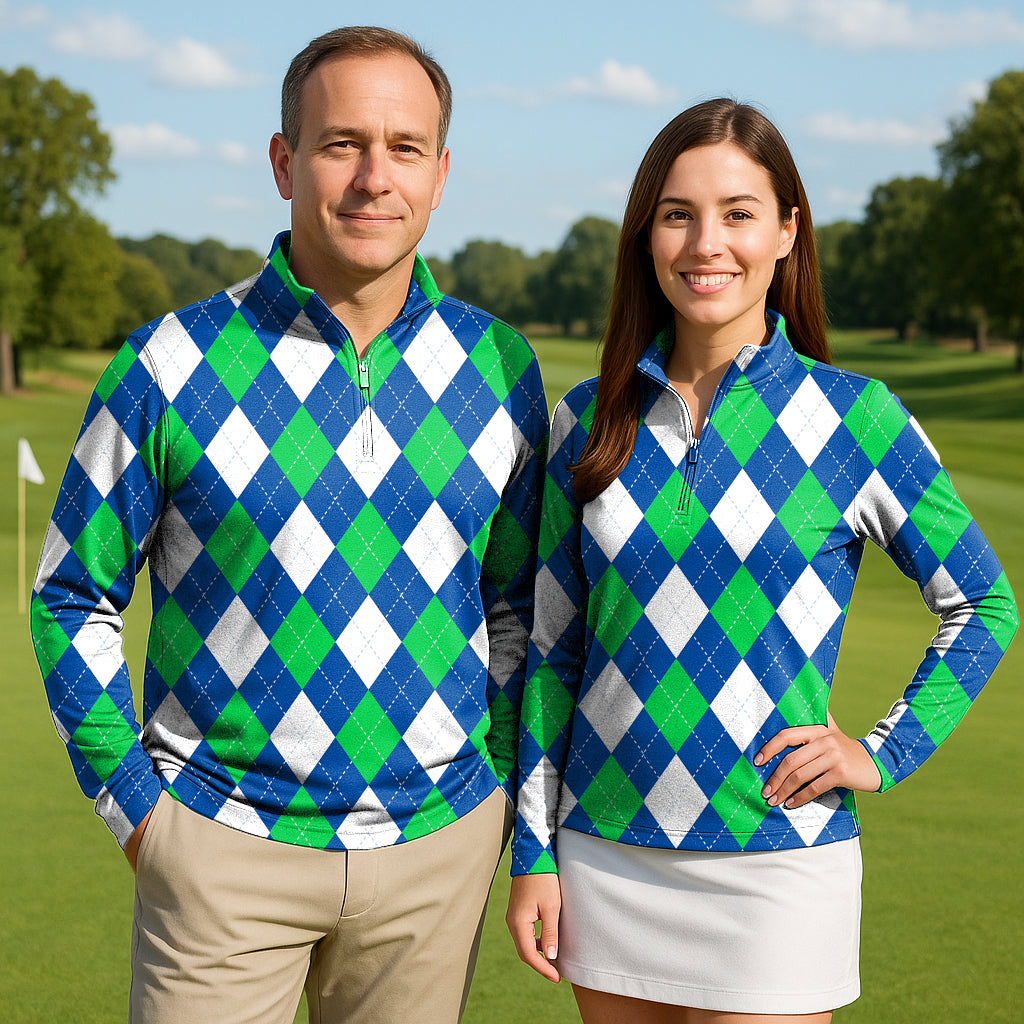
Argyle Women's Outdoor purple grid Golf Sun Protection Slim Fit zip hoodies
The Argyle Women's Outdoor Purple Grid Golf Sun Protection Slim Fit Zip Hoodie combines style and functionality, making it an ideal choice for various outdoor activities. With UPF 50+ protection and moisture-wicking fabric, it helps keep you cool and shielded from harmful UV rays. Its comfortable design features, such as flat lock seams and a fitted silhouette, ensure ease of movement while providing a fashionable look.
View ProductExplore another user's Shopify or Wix store by following this link to their store. Keep in mind that this is a promotional link, and we assume no responsibility for the content of the linked store.